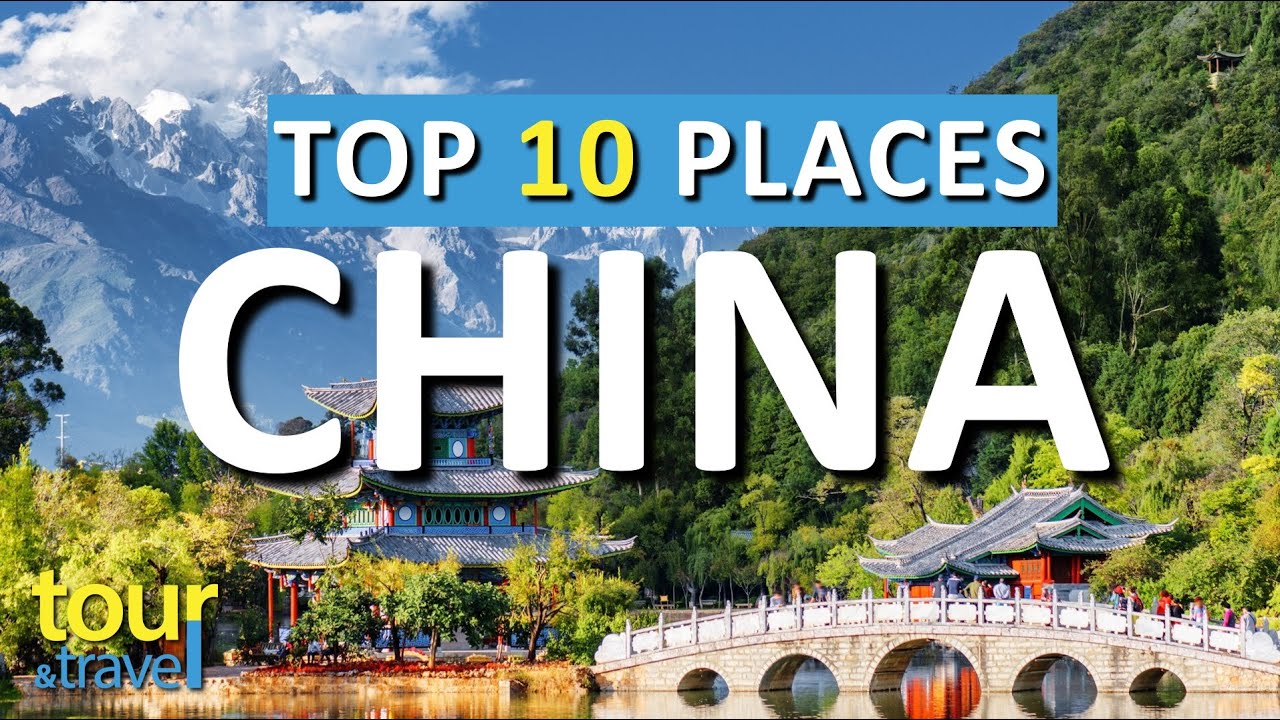
China has much more to offer than just its iconic attractions such as the Great Wall, Forbidden City and Terracotta Army.
Hangzhou’s West Lake Park provides an opportunity to observe the delicate balance of feng shui. Gardens and pagodas surround a serene lake while nearby Dragon Mountains resemble flying dragons.
Longmen Grottoes
Longmen Grottoes are an extraordinary amalgamation of artistic mastery and cultural sophistication. Established first by Emperor Xiaowen of the Northern Wei Dynasty when he relocated his capital from Luoyang to Luoyang in 493, and his successors intermittently over four centuries carved one-kilometer-long grottoes on Longmen Mountain’s cliff faces; carving continued intermittently at various stages over this period, including four distinct phases spanning one millenniaowen’s reign as Emperor Xiaowen completed one-kilometer-wide grottoes on Longmen Mountain near Longmen Mountain over four centuries until completion in 496 when Emperor Xiaowen of Northern Wei Dynasty moved capital back home; carving began intermittently until completion in 499 when Emperor Xiaowen began carving a spectacular one kilometer grottoes over four centuries after this initial establishment date; It can be divided into four distinct phases from commencement until completion: 1.
Guyang Cave, Binyang Cave and Lotus Cave date back to the Northern Wei period. Of these caves, Fengxian Temple or Grand Losana Buddha Cave stands out as being especially notable due to displaying some of Longmen’s most exquisite cliff-type sculptures and being an example for Chinese stone carving art.
UNESCO included Longmen Grottoes on its World Heritage List in 2000 as “an outstanding expression of human creative genius”. After purchasing your ticket (CNY 90) at the ticket office, walk the 2km pedestrian commercial street that leads directly to it and purchase your ticket for admission at one of many shops offering luggage deposit service – but always take your valuables with you.
Longji Terraces
Longji Terraces can be found nestled into hillsides near Guilin in its mountainous area, and offer visitors an insight into local Zhuang and Yao minority cultures by growing premium quality rice crops there. Longji is also popular among tourists seeking an authentic rural experience.
Not only can rice be found here, but chili peppers, corn, passion fruit, monk fruit and tea are also produced in abundance in this region. September and October is when harvest season occurs so visit this area as harvest time arrives!
Ping’an Village, Jinkeng Village and an ancient Zhuang Village can be explored within this area. Visitors are advised to start in Ping’an due to its relatively good roads; it is the most visited village here and home to Zhuang minority people who reside within timber-built houses located among terrace fields here.
Jiuzhaigou
Jiuzhaigou is an oasis of natural beauty, home to shimmering lakes, cascading waterfalls, and vibrant forests that welcome travelers looking to experience nature at its finest. Designated a UNESCO World Heritage Site since 1992, this scenic spot draws travelers seeking authentic nature experiences.
Sichuan Park, situated in China’s Sichuan Province, features an intricate network of valleys each offering distinct scenery and attractions. Shuzheng Valley features the stunning Nuorilang Waterfall and Zharu Monastery while Zechawa Valley boasts numerous mountain lakes while Rize Valley features ancient forests and Five Flower Lake as must-see highlights.
Though open all year, autumn and winter are the optimal times to visit this park, as crowds will be less dense. Enjoy peaceful views while taking photos with one of the steles engraved with each lake name carved upon them.
Zhangjiajie
Zhangjiajie has become increasingly popular since Avatar hit theaters. The film took inspiration from Zhangjiajie National Forest Park – which boasts the beautiful karst peaks of Huangshizhai, Yuanjiajie, and Tianmen Mountain attractions – which has attracted many foreign visitors since.
The Ten Miles Gallery, an amazing mountain formation that resembles a 10-mile gallery, is one of the most captivating sights in Zhangjiajie. A stream runs through its center while two sets of peaks rise on either side to complete this spectacular scene.
Other highlights include the Golden Whip Stream, Zhangjiajie Grand Canyon’s famed glass bridge and Yellow Dragon Cave. For an immersive cultural experience, tourists should add a visit to Fenghuang or Furong Ancient Towns to their itinerary. Baofeng Lake in Wulingyuan mountains must also be visited as locals will serenade passengers during boat rides with traditional songs, creating an even more relaxing ambiance!
Forbidden City
At its heart of Beijing is the Forbidden City (Gu Gong in Chinese), once home of two dynasties of imperial rule. Now open as a palace museum, this vast complex comprises 9,999 buildings enclosed within 3.5 km citadel walls and can be entered via either Meridian Gate (Wumen) or Divine Might Gate (Shenwumen).
Notable attractions at the museum include the Hall of Supreme Harmony, China’s largest wooden structure. Here emperors held ceremonial events. Additionally, Six Western Palaces once used by concubines are now exhibition spaces.
While many tourists flock to a central path, it’s easy to go off-path and discover other courtyards and palaces. Look out for three lesser central halls and 12 smaller palace courtyards; several adobe abodes which once housed Emperors and Empresses are decorated with imperial furnishings; additionally, The Palace of Tranquil Longevity provides exhibitions throughout the year.
Terracotta Army
China’s first Emperor Qin Shi Huang created an underground empire after his death in 246 BC to prolong his existence, complete with palaces, an army of warriors, horses and chariots. Today this incredible archeological find ranks as one of the top tourist attractions in Xi’an and should not be missed when visiting this amazing nation.
The Terracotta Army consists of three pits housing thousands of life-size clay soldiers arranged according to rank. Each figure features its own facial characteristics and expression; although now mostly gray in appearance, some depictions show brightly painted armor patches from when these figures once donned brightly colored clothing.
Visitors to the Emperor Tomb can also view bronze chariots and horses that were unearthed just 20 meters west, as well as original weapons used during that dynasty. Tour guides are advised for best experience during your three hour visit – don’t just wing it!